Exams are over and school’s out for summer. It's a big change and a chance to take it easy and relax. But, lounging around can soon get a bit boring, so, what else can you do that might make the long weeks ahead a bit more fun?
We’ve got some suggestions that might get you thinking.
1. Get moving! How to exercise easily

For most people, exercise is quite easy once you start. There are loads of ways to get out and about and to increase your wellbeing mentally and physically through some sort of fitness. From free things like getting your steps in by walking, through to classes at local leisure centres (their classes and gyms are often cheaper than you might think).
Resistance training is great for keeping fit and can be as easy as lifting tins of beans or doing wall press-ups while you wait for a bus or the kettle to boil.
Sport is a great way of increasing your fitness and having fun with others - playing sport with other people helps boost your mood. Exercise is really good for your mental health - with physical activity producing feel-good chemicals like serotonin and endorphins.
Being outdoors exploring locally if you are in a city or getting out for a hike in the countryside is a really good way to keep fit and the NHS is planning to reward people for walking.
2. Get cooking! How to start making better meals and snacks
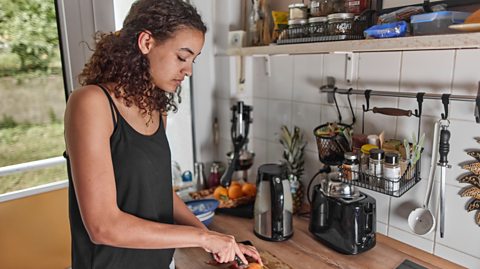
Learn some recipes and get into food and nutrition. It’s easy to think of food as simply fuel – but as well as the nutritional benefits of a home-made meal – making food is a creative act.
So have fun in the kitchen - experiment – you can start by learning some basic recipes – then build on what you’ve learned – try different cuisines and different flavours. A world of food is available to try once you build your confidence.
These recipes are great for brain food snacks. If you want to get more adventurous then BBC Food have a load of things to try including a whole range of ‘how to cook’ explainer videos.
3. Why volunteering is good for your health and your future
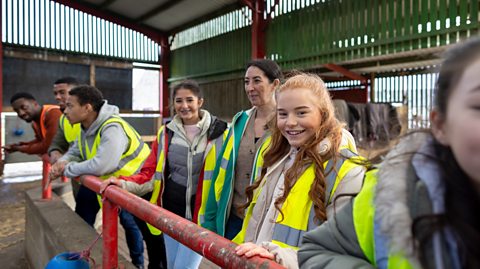
Working for no money may seem to be the last thing you'd want to do over summer! But volunteering has great benefits, both to those you're helping and your own sense of wellbeing. On the Just One Thing podcast, the late Michael Mosley heard from Dr Edith Chen who's studied the effects of helping others – in the programme she shares that, in a study involving high school students, it was found that helping others through volunteering can help people lose weight, boost their empathy, improve mood and lower inflammation and cholesterol. The theory is that helping people - known as altruism - makes people feel better about themselves and this reduces poor health.
Another positive is that when it comes to future prospects – volunteering is a great way of improving your CV – employers often look for people who have experience and who take initiative and increase skills by working to help others.
Suggested opportunities: Food banks, soup kitchens, local running clubs, litter picking teams. Many of these volunteering opportunities are aimed at people who are 16 years-old and above. The BBC local news teams run the Make a Difference campaign with links to different organisations that need volunteers.
4. Why it's good to read more (but for pleasure now - not exams!)

A summer spent reading might not immediately appeal to you – especially after spending months of revision with your head in books or reading from a computer screen!
Putting your set-texts aside - once you look you’ll be amazed at the variety of books out there. It could be a factual book - an autobiography of a favourite footballer or maybe something telling the history of something you’re interested in - or if you prefer fiction look for the original written version of a favourite TV programme or even choose a genre that you already like and explore what’s out there.
Reading is a great way of escaping to new worlds forgetting your troubles and also quieting your inner thoughts if you are feeling anxious.
Also, you could join a book group with friends, agreeing to discuss a shared book together socially, which takes us to our next suggestion…
5. How to join a club and improve your mood

Social circles are very important – they’re great for our mental health, they provide us with an alternative social network besides our family and school friends and while you may feel you have enough friends, is there any harm in meeting other people?
Joining some sort of group or social club is often a really good way of building your confidence and meeting new people and having new experiences.
It is also an incredibly positive way to improve and maintain social skills and your mental health.
6. Why not go for a digital detox?

Firstly, you may already worry about your relationship with your devices, from gaming to mobile phone use and time spent on socials, many of us feel like we are just a little too sucked into the online world.
Test yourself here: Are you addicted to your phone? Or do you need to take a break from gaming?
So, if the answer is yes…what can you do? Is it time for a digital detox?
There are various free apps you can download that can temporarily block social media, meaning you have to wait to unlock them, by which time the urge to scroll may have gone. Or you can simply lock away your phone for a set number of hours a day, or leave it at home when you go out.
Everyone might have a different approach – but give it a go – it could work wonders and give you a very different summer experience.
If these summer tips don’t look like they’re for you – don’t worry – we have 26 suggestions here on our A-Z summer 2026 bucket list.
This article was published in July 2026

The A-Z summer 2026 bucket list
Stuck for what to do this summer? We've got you covered with our A-Z bucket list of activities and ideas!

How to be kinder to people and why it's good for your wellbeing
How can kindness help our wellbeing?

Taming gaming: What the experts say
How to get the best from video games whilst staying safe.