The end of the school year is finally here. Before you pack away your school bag and switch into holiday mode, there are a few small things you can do now that your future self will thank you for.
Bitesize Study Support has put together some tips so you can finish the year feeling proud and start the next one feeling confident.

Reflect on what you’ve achieved this year
The school year is full of ups and downs but you’ve made it! Why not reflect on what went well? Maybe a topic you found initially tricky got easier. Or maybe you’ve done something you're really proud of.
One way you could reflect is by journaling your reflections from this year. Dr Radha - a mental health expert and broadcaster - recommends journaling as a powerful way to get "perspective on problems" and help "supporting us to set goals".
You might already keep a diary, but as Dr Radha explains, "a journal is very different because you don’t just record what happened in your day but instead about how you have felt."
In an interview with Vogue, Emma Watson spoke about her daily journaling practice. It includes ending each day by writing down three fun or joyful moments, three acts of kindness, and three things she's proud of. Why not try the same idea to reflect on your school year.
Some questions you could ask yourself are: What were your highlights from this year? Have you noticed something about yourself that's changed from when you started the year? Have you learned something that's made you a better friend?
Letter writing can also be a good way to reflect on successes, but also put difficult moments into context. You could write a letter to yourself for the start of next school year.
Get organised! Figure out what you'll need for next year

A lot of content you’ll learn next year will build on things you’ve learned this past year – especially for Nationals or GCSEs.
Set aside some time to start sorting through your worksheets or online files. Recycle any work you don't need, organise important work into online or physical folders, and keep any revision materials you've created for end of topic tests. By checking through and organising the notes you’ve made, you’ll be able to spot any gaps in your knowledge and quickly address them in your future revision. It'll save you a lot of confusion later on.
If there's something you want to ask your teachers about next year’s content, now's the time to ask them. This could be a topic you found especially tricky, GCSE or subject choices, or any worries you have. Your teachers have helped you through this year, so they’ll have good tips for how you could thrive in the next!

Set one realistic goal
With holidays just around the corner, it might feel a little early to start thinking about next year. Reflecting on the past year can also be a great way to start writing down your goals - even if it's just one simple thing you can realistically achieve.
This could include offering more ideas in class, getting more sleep at night, picking up a new skill, or joining a sports team or club.
Content creator and gym-wear CEO Grace Beverly - also known as GraceFitUK - spoke about how she stays productive. She recommends making, "each goal you set… S.M.A.R.T [Specific, Measurable, Achievable, Relevant, Time-bound]. Don't just set generic goals, or you'll never know whether you're getting them right."
You're much more likely to reach your goals if they're realistic, but it's also good if they feel like they might stretch you. It'll boost your self confidence and be all the more satisfying when you reach them!
Start a Summer Bucket List!
Take inspiration from Phinneas and Ferb on this one. The summer holidays can feel like they drag on, especially if you don’t have a lot to keep busy with. We’ve got lots of ideas to help you make the most of your summer, so why not start ticking them off?
It’s good for your wellbeing to get out and active. You might also pick up a new hobby or skill – and maybe even meet new people! If you get started on your bucket list now, you’ll end the summer feeling positive and motivated to start the next year.

If you need support
You should always tell someone about the things you’re worried about. You can tell a friend, parent, guardian, teacher, or another trusted adult. If you're struggling with your mental health, going to your GP can be a good place to start to find help. Your GP can let you know what support is available to you, suggest different types of treatment and offer regular check-ups to see how you’re doing.
If you’re in need of in-the-moment support you can contact Childline, where you can speak to a counsellor. Their lines are open 24 hours a day, 7 days a week.
There are more links to helpful organisations on the BBC Bitesize Action Line page for young people.
School leavers: How to say goodbye to your friends
How can you say goodbye to your school friends and celebrate your time at school.

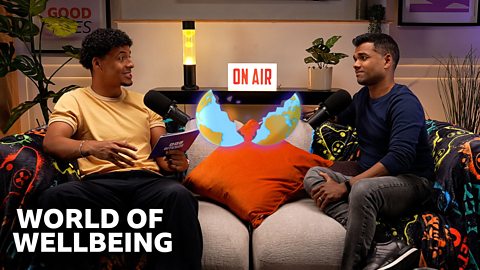
World of Wellbeing: How to cope with change
Wellbeing and education influencer Kit Brown and Dr T find out how to overcome unexpected changes in life.
Why gaming can be good for your mental health
Find out how gaming can positively impact mental health.